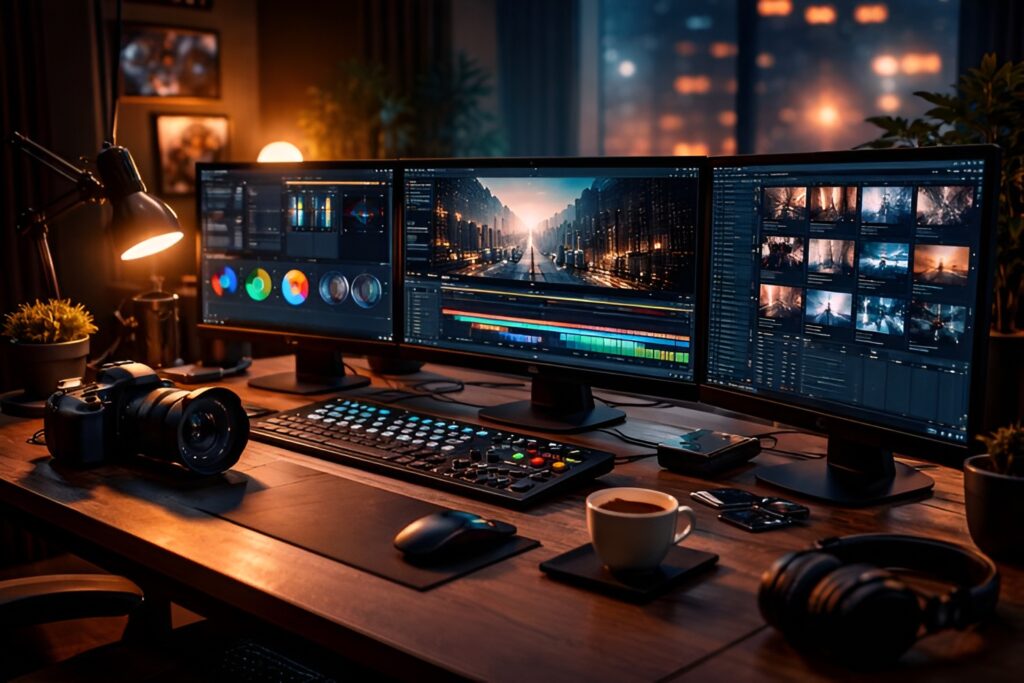
The entertainment and media industries have entered an era defined by constant production. Every day, thousands of films, songs, digital series, animations, and online experiences are released across streaming platforms and social networks competing for visibility within increasingly crowded spaces. Yet in the middle of this expansion, one issue continues to shape the future of creative work: the struggle to preserve originality.
Independent storytelling has become more important not because it exists outside mainstream systems, but because it often operates without the limitations that shape commercial production. It creates room for ideas that are unconventional, culturally specific, emotionally layered, or resistant to simplified narratives. In many cases, these are the stories that remain relevant long after trends disappear.
Modern audiences are becoming more aware of repetition within entertainment. Formula-based structures, predictable character arcs, and content designed primarily for engagement metrics have created an environment where volume often overshadows meaning. As a result, viewers and listeners increasingly seek work that feels intentional, distinctive, and connected to real experiences.
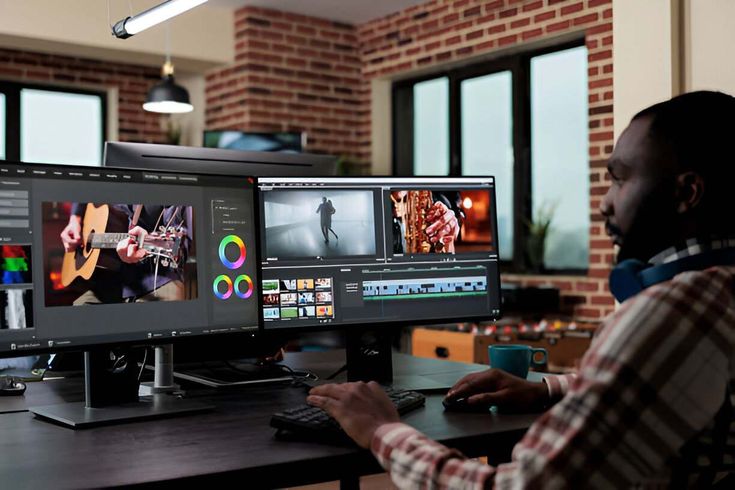
This shift has expanded the role of independent creators across multiple disciplines. Filmmakers are experimenting with nonlinear narratives and intimate storytelling approaches. Musicians are blending genres and incorporating personal, political, and cultural themes without pressure to conform to industry expectations. Animators and digital artists are redefining visual language through experimental techniques and immersive technology.
At the same time, advances in digital production tools have lowered barriers that once prevented independent creators from entering professional spaces. High-quality cameras, editing software, animation systems, and online distribution channels are now more accessible than ever before. A small production team can produce work capable of reaching international audiences without relying entirely on traditional gatekeepers.
However, accessibility has introduced a different challenge: sustainability.
Creating independent work is no longer only about production capability. It also requires systems that support development, collaboration, distribution, and long-term preservation. Many promising projects struggle because creators are forced to divide their attention between artistic responsibilities and operational survival. Without proper infrastructure, even highly original ideas can lose momentum before reaching their intended audience.
This is why collective production models continue to gain relevance within the independent media landscape. Creative collectives provide more than collaboration; they create stability. Shared resources, coordinated production structures, and long-term strategic support allow creators to develop ambitious work without sacrificing authorship or creative direction.
Another major transformation shaping the industry is the blending of media forms. Film no longer exists in isolation from music, animation, gaming, or digital interaction. Audiences experience stories across multiple formats, and creators increasingly design projects that move fluidly between visual, sonic, and interactive environments. The future of storytelling is becoming multidisciplinary, requiring production systems capable of adapting to rapidly evolving technologies while maintaining artistic coherence.
Artificial intelligence, virtual production, immersive environments, and interactive platforms are also influencing how media is conceived and experienced. These technologies present enormous creative opportunities, but they also raise important questions about authorship, originality, and cultural responsibility. As digital tools become more powerful, the value of human perspective becomes even more significant. Audiences continue to respond most strongly to work that reflects emotional truth, lived experience, and thoughtful creative intention.
Independent media remains one of the few spaces where those qualities can exist without excessive standardization. It allows creators to explore difficult themes, regional perspectives, and unconventional structures that larger systems may consider commercially risky. More importantly, it preserves diversity in storytelling at a time when many industries are moving toward homogenized content strategies.
The future of media will not be shaped solely by technology or distribution platforms. It will also be shaped by the creators willing to produce work that prioritizes substance, experimentation, and cultural relevance over immediate visibility. Independent storytelling continues to hold value because it expands what media can communicate, whose voices are heard, and how audiences engage with ideas that extend beyond entertainment alone.
As creative industries continue to evolve, the need for spaces that protect originality, encourage innovation, and support long-term artistic development will only become more essential.