The global media industry is producing more content than at any other point in history. Streaming platforms release new films and series weekly, digital creators publish material daily, and social media continuously accelerates the speed at which audiences consume information and entertainment. Despite this expansion, the growth of content has not always resulted in greater creative diversity. In many cases, it has produced the opposite — repetition, predictability, and increasing dependence on formulas designed primarily for visibility and rapid engagement.
Within this environment, originality has become one of the most valuable and difficult qualities to sustain.
Independent media continues to occupy a critical position because it creates space for work that exists outside heavily standardized production systems. It supports storytelling that is driven by perspective rather than trend analysis, allowing creators to approach film, music, animation, and digital media with greater flexibility and conceptual depth. This freedom often leads to projects that feel more personal, culturally grounded, and emotionally resonant.
The demand for this type of work is growing. Audiences are becoming increasingly aware of how commercial pressures shape modern entertainment. Many viewers and listeners now seek projects that offer nuance, experimentation, and perspectives that are absent from mass-produced content cycles. Rather than consuming media passively, audiences are actively searching for stories that reflect complexity, authenticity, and intellectual substance.
This shift has encouraged the rise of independent creative ecosystems capable of supporting work beyond traditional industry expectations. These ecosystems are not limited to individual artists working in isolation. Instead, they often function through collaborative structures that combine production, development, distribution, and strategic support within unified creative networks.
The importance of these systems becomes clearer when considering the realities of independent production. Creative work requires more than artistic talent alone. Sustainable development depends on infrastructure, coordination, technical resources, and long-term planning. Without those elements, many projects remain unfinished or fail to reach meaningful audiences despite their potential quality and originality.
Multimedia collectives have emerged as one response to this challenge. By operating across disciplines rather than within isolated categories, these organizations create environments where collaboration becomes part of the creative process itself. Filmmakers can work alongside musicians, animators can contribute to narrative production, and digital artists can shape immersive experiences that extend beyond conventional formats.
This multidisciplinary approach reflects broader changes within contemporary media culture. Storytelling is no longer confined to a single medium. A narrative may exist simultaneously through visual language, sound design, interactive systems, and digital engagement. The integration of these elements has expanded the possibilities of independent production, creating opportunities for more layered and immersive creative experiences.
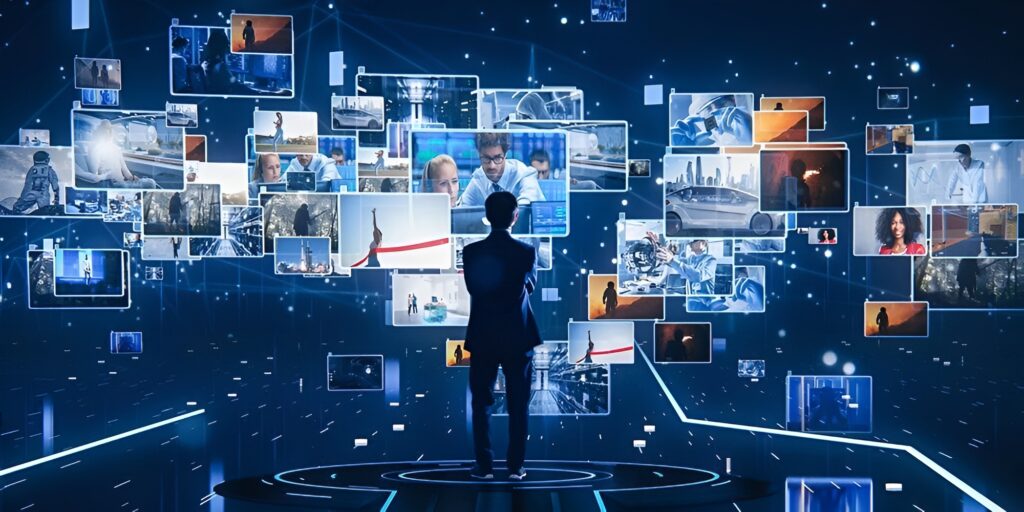
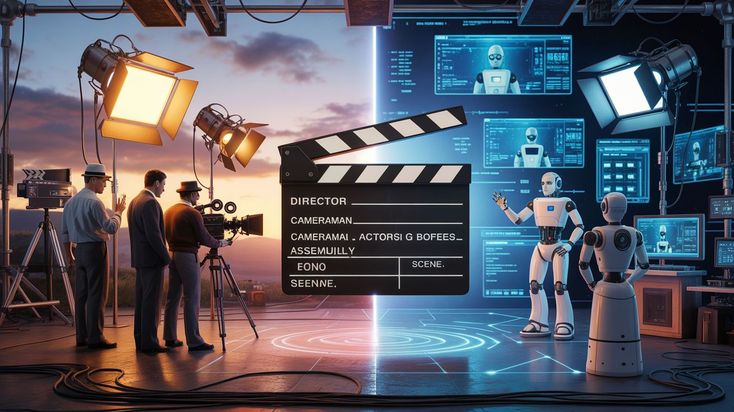
At the same time, technological innovation continues to reshape how media is produced. Virtual production workflows, real-time rendering systems, AI-assisted editing tools, and immersive digital environments are transforming creative processes across industries. Independent creators now have access to technologies that were once available only to large studios and corporations.
Yet technological advancement introduces important questions about authorship and creative identity. As automation becomes more common, the distinction between generated content and intentional artistic work becomes increasingly significant. Audiences are beginning to place greater value on projects that reflect clear human perspective, emotional awareness, and conceptual thoughtfulness.
This may become one of the defining characteristics of independent media moving forward: the ability to preserve human-centered storytelling within increasingly automated systems.
Another important aspect of independent production is its relationship to cultural memory. Independent projects often document perspectives, communities, and experiences that receive limited representation within mainstream entertainment. These works contribute to historical and artistic records by preserving stories that might otherwise disappear within commercially driven media cycles.
Film, music, animation, and digital art have always played a role in shaping collective understanding of culture and identity. Independent creators expand that role by introducing alternative viewpoints and exploring subjects that larger systems may avoid due to financial or political considerations. In doing so, they help maintain diversity not only within storytelling but also within public discourse itself.
The future of media will likely depend on more than technological innovation or platform expansion. It will depend on whether creative industries can continue to support work that values originality, experimentation, and intellectual depth in an environment increasingly shaped by automation, data metrics, and accelerated production cycles.
Independent media remains vital because it protects the possibility of creative risk. It allows artists and production communities to pursue ideas that may not conform to immediate commercial expectations but still hold long-term cultural and artistic significance. In a landscape saturated with disposable content, work created with intention, discipline, and perspective continues to stand apart — not because it is louder, but because it lasts.