The modern media industry moves fast. New platforms emerge almost overnight, audience habits shift constantly, and content is produced at a scale that would have been unimaginable a decade ago. Yet despite this expansion, one challenge remains unchanged: creating work that carries meaning beyond visibility and short-term attention.

Independent media continues to play an essential role in solving that problem.
While mainstream production often prioritizes speed, marketability, and algorithmic performance, independent creators tend to approach storytelling from a different perspective. Their work is frequently rooted in experimentation, cultural reflection, emotional complexity, and personal experience. These projects may not always follow familiar formulas, but they often leave a deeper and more lasting impact.
This is especially important at a time when audiences are becoming increasingly selective about the content they engage with. Viewers and listeners are no longer drawn solely to polished production or commercial appeal. There is growing demand for work that feels intentional, grounded, and human. People want stories that challenge assumptions, explore overlooked perspectives, and create genuine connection.
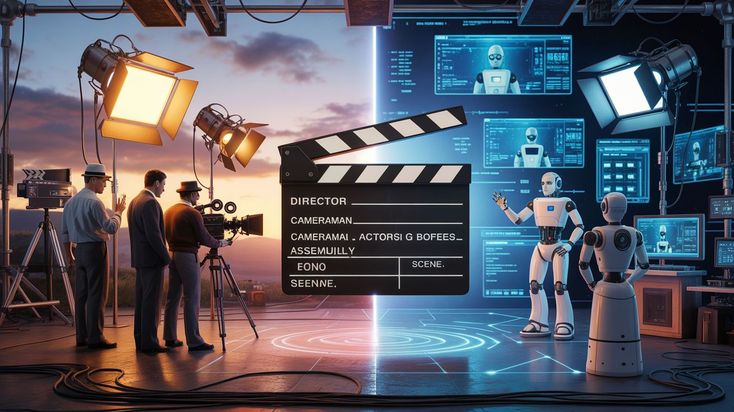
Technology has also transformed how creative work is produced and distributed. Filmmakers, musicians, animators, and digital artists now have access to tools that were once limited to major studios and large production houses. Emerging technologies continue to reshape the creative process, opening opportunities for smaller teams and independent creators to produce high-quality work across multiple formats.
However, access to tools alone does not guarantee sustainability.
One of the greatest challenges facing independent creators today is maintaining long-term creative control while navigating financial, operational, and distribution pressures. Many projects begin with strong ideas but struggle to move beyond development because the infrastructure needed to support them simply does not exist. Without systems that protect authorship and provide continuity, originality can easily become compromised.
This is why collective models within independent media are becoming increasingly important. Collaborative production structures create environments where creators can retain their voice while benefiting from shared resources, strategic support, and coordinated development. These frameworks allow artists to focus on substance rather than constantly adapting their work to external expectations.
The conversation around independent storytelling is no longer limited to film alone. Music, animation, immersive media, and digital experiences are now deeply connected within the broader creative ecosystem. Audiences move fluidly across formats, and creators are responding by developing work that is multidisciplinary, adaptive, and technologically aware.
At the same time, the need for thoughtful storytelling has never been greater. Social change, cultural shifts, and global uncertainty continue to shape how people interpret media and engage with narratives. Creative work that explores identity, memory, conflict, community, and human experience carries increasing value in an environment saturated with disposable content.
Independent media remains one of the few spaces where these conversations can evolve without excessive commercial filtering. It creates room for risk, originality, and perspectives that may otherwise remain unheard.
As the industry continues to evolve, the future of storytelling will likely belong not only to those with the largest platforms, but to those capable of creating work that audiences genuinely remember.